The Z-Axis Portfolio
We build tactile illusions. Wide Horizon Z does not chase trends; we construct entire physics engines for emotions. Our portfolio is a curated archive of mechanics that feel inevitable once touched, yet impossible to predict.
Below are the artifacts—prototypes and polished environments—that define our current trajectory. Each project represents a distinct rebellion against flat interfaces.
Request access to the full dev-log:
Project Chimera: The Gravity Glitch
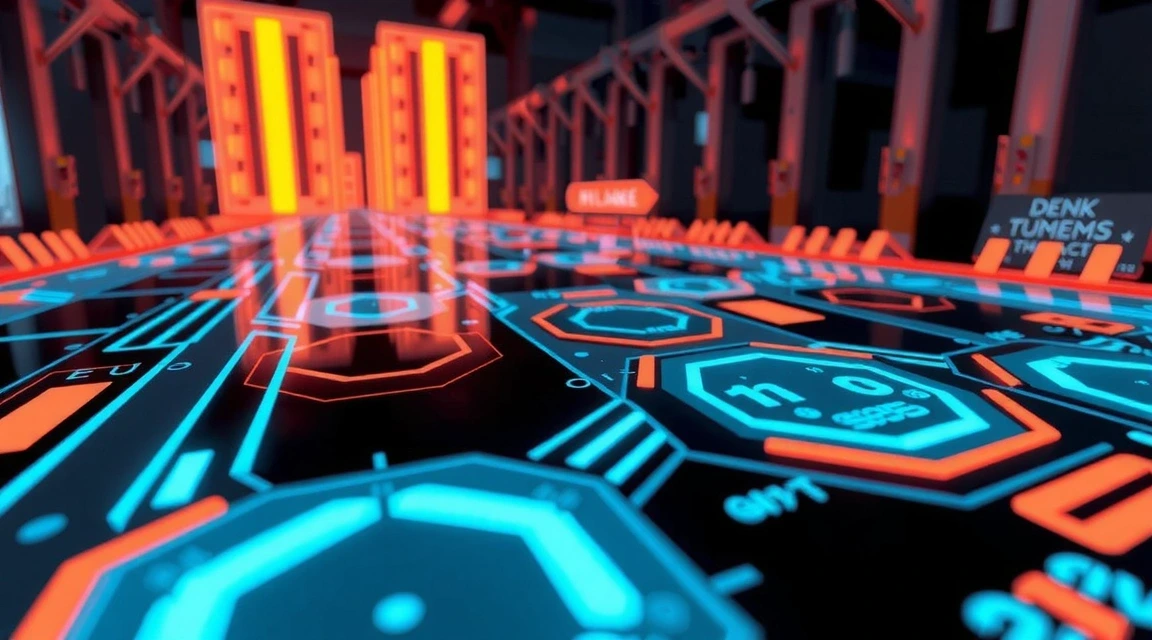
Mechanic: Variable Mass
In Chimera, physics obeys emotional state. The "Glitch" occurs when input latency spikes, turning the player's avatar into a liquid state. We didn't randomize this; we mapped frame-time jitter to fluid simulation parameters. It feels like a bug, but it's the game breathing.
The Architecture of Disorientation
Most "hard" games rely on precision. Chimera relies on controlled loss of control. We spent six months building a predictive camera system that fights the player. It anticipates where you don't want to look, creating narrative tension through visual obstruction.
- Engine: Custom C++/OpenGL
- Input Latency: < 8ms
- Texture Resolution: 8K Specular
Evaluation Criteria: Every concept showcased in this portfolio undergoes the "Tactile Stress Test." This involves blind-testing mechanics with non-gamers to measure intuitive friction. If a mechanic requires a tutorial, it is deleted. If it requires a feeling, it is refined. We prioritize robustness of sensation over feature breadth, knowing that a single memorized haptic echo lasts longer than a thousand features.
The Latent Space
Unreleased prototypes. Rapid iterations. The seeds of future systems.
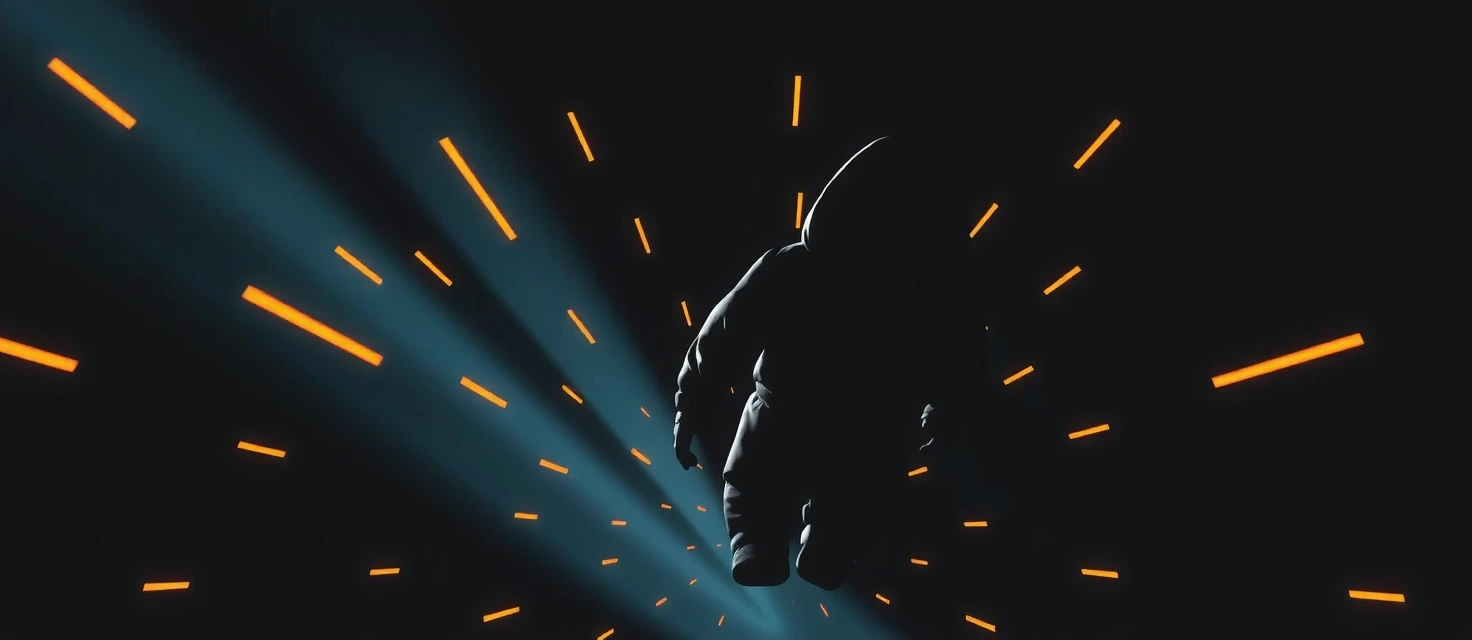
"Shard": A physics playground where sound dictates gravity. Completed in 48 hours.
Static Glitch Asset Pack
The underlying visual noise assets used to generate the effects on this page. Available for internal partners.
Constraints & Calculated Risks
We don't promise perfection. We promise informed geometry.
Mitigation: We implement dynamic resolution scaling tied directly to head-movement velocity, not frame rate. The image blurs artfully rather than stuttering.
Mitigation: We use "Ghost Mapping"—visual cues that mimic standard controls but trigger unique behaviors, easing the player into the new logic without a steep onboarding cliff.
Mitigation: We provide an "Arclight" mode. This doesn't wash out the scene but injects high-contrast, non-diegetic guides into the geometry itself, preserving the atmosphere while adding visibility.
Ready to iterate?
We are accepting limited partnership inquiries for Q4 2026.